Manufacturers across Singapore and Vietnam already collect oceans of plant-floor data — from SCADA, historians, MES systems, lab instruments, energy meters, and ERPs. The challenge is turning that data into the production reports, compliance documents, regulatory submissions, and management dashboards that operations actually need every day. Doing it by hand with Excel takes hours, scales poorly, and often fails an audit. Doing it with a generic BI tool like Power BI or Crystal Reports works for office data — but stumbles when it has to read OPC tags, time-series historians, or batch genealogies.
This guide is about Dream Report, the industrial reporting and analytics platform built by Ocean Data Systems. Dream Report is purpose-designed for the industrial world: it speaks more than 80 native protocols (OPC UA, SQL, Wonderware Historian, GE Proficy Historian, AVEVA PI, Kepware, MQTT, REST, Excel, CSV), it generates regulator-ready documents aligned with 21 CFR Part 11 / GMP / ISO 50001 frameworks, and it delivers them on schedule, on event, or on demand — all configured in a drag-and-drop designer rather than written in code.
If you are evaluating an industrial reporting tool for a plant in Singapore or Vietnam — or comparing Dream Report to Crystal Reports, Power BI, SAP Crystal Server, or your existing patchwork of Excel macros — this article gives you the practical breakdown. Allied Solutions Global distributes Dream Report alongside GE Vernova Proficy Historian and Kepware KEPServerEX, which means we have hands-on experience with how all three products fit together in a regional industrial stack.
Who is Ocean Data Systems?
Ocean Data Systems (ODS) was founded in 2004 by a team of developers with deep backgrounds in HMI/SCADA, historians, and industrial data analytics. The company is small — roughly 20 employees spread across seven countries — but Dream Report is anything but small in reach. The product has accumulated more than 25,000 installations across 70 countries, ships in 14 languages, and serves plants in pharmaceuticals, food & beverage, oil & gas, chemicals, energy, water utilities, building automation, heat treatment, and discrete manufacturing.
The product also has a second life as a co-branded solution: GE Vernova ships “Dream Report for Proficy” as the recommended reporting layer for iFIX, CIMPLICITY, and Proficy Historian customers. The GE Vernova edition is functionally the same product Ocean Data Systems sells direct — same Studio designer, same connectors, same web portal — with deeper out-of-the-box integration into the Proficy stack. For SEA customers running a Proficy plant, that tighter integration matters; the version that fits depends on the existing automation estate.
Ocean Data Systems distributes Dream Report through a global network of authorised distributors and Endorsed System Integrators (ESI). Allied Solutions Global is one of the regional distributors that handle licensing, deployment engineering, training, and on-going support for Dream Report across Singapore, Vietnam, Malaysia, and Indonesia — including local-language support and validation packaging for regulated industries.
What Dream Report does, in plain English
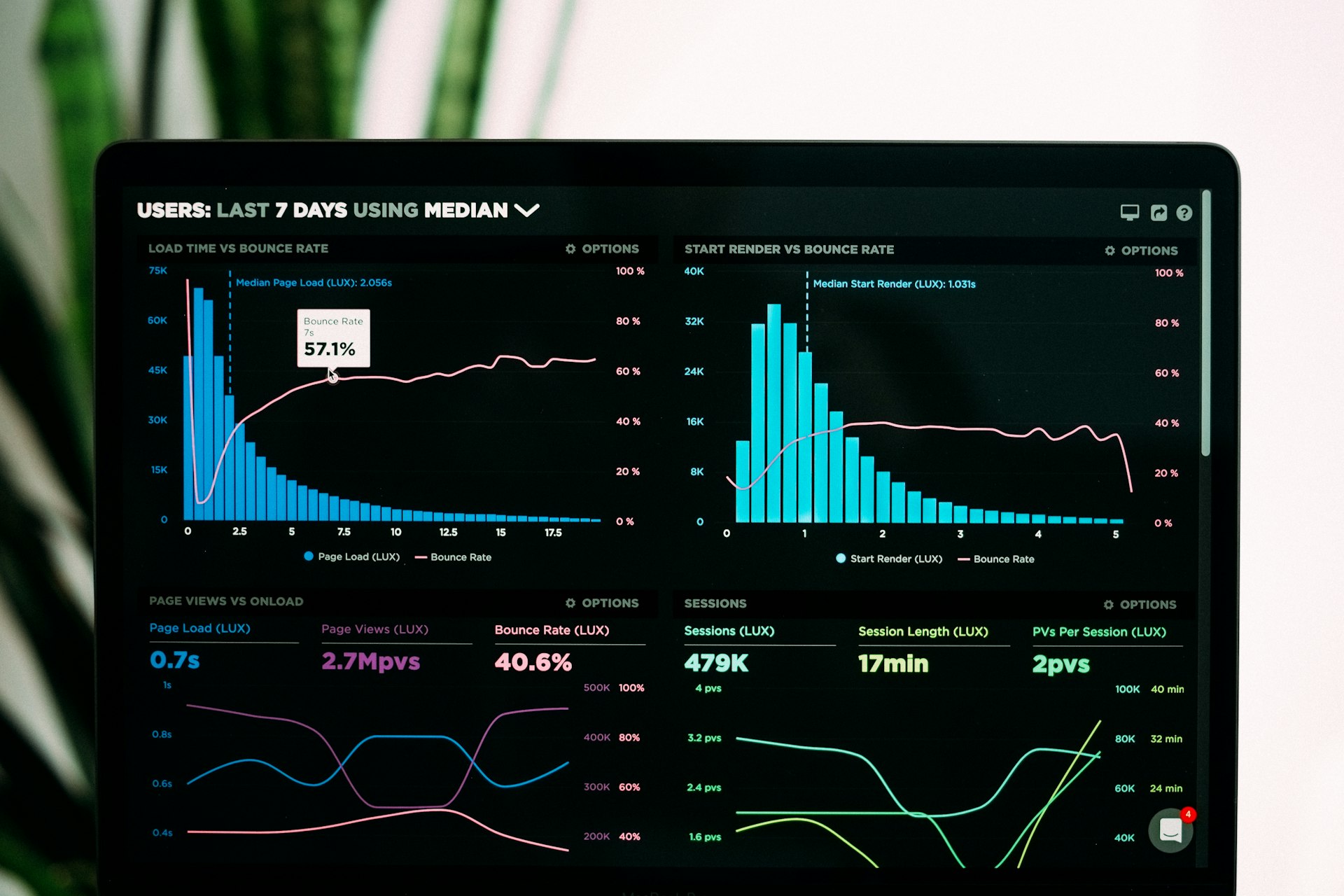
At its core, Dream Report does four things:
- Collects data from anything industrial — controllers, historians, databases, instruments, IoT devices — in real time or on schedule.
- Analyses the data with built-in statistical functions, KPI calculations, conditional logic, and (in Dream Report 5) a Python scripting engine for anything more complex.
- Generates structured documents — PDF, Excel, HTML, CSV — formatted to look exactly the way the recipient expects, with tables, charts, signatures, watermarks, and embedded images.
- Distributes the output by email, FTP, file share, printer, or through a secure web portal where users can browse, search, and pull reports on demand.
The trick is that all four steps are configured in the same Dream Report Studio environment — drag, drop, point at a data source, choose a layout, save the project. No SQL queries written by hand, no Crystal Reports formula language, no Python required for routine reporting. When you do need Python, the Dream Report 5 engine is right there in the designer.
The 80+ native connectors
The reason Dream Report works where generic BI tools struggle is the connector library. Out of the box, it speaks the protocols and proprietary formats that show up in industrial plants:
- OPC family: OPC DA, OPC HDA, OPC A&E, OPC UA. Connects to KEPServerEX, MatrikonOPC, Software Toolbox TOP Server, and any OPC UA-compliant device.
- Historians: GE Proficy Historian, AVEVA PI / OSIsoft PI, Wonderware Historian, Aspen InfoPlus.21, Canary Historian.
- SCADA & HMI: GE Vernova iFIX and CIMPLICITY, Wonderware InTouch, Rockwell FactoryTalk, Inductive Automation Ignition, Siemens WinCC, Iconics Genesis64.
- MES: Bridges to Parsec TrakSYS and other MOM platforms via REST and SQL.
- Databases: Microsoft SQL Server, Oracle, PostgreSQL, MySQL, MariaDB, IBM Db2, SAP HANA, and any ODBC source.
- Spreadsheets & files: Excel, CSV, XML, JSON — read and write.
- IoT & cloud: MQTT, AWS IoT, Azure IoT Hub, REST APIs, Modbus TCP.
- Specialised: alarm-and-event historians, LIMS, MES, weighbridge systems, energy-meter front-ends.
This matters in Southeast Asia, where a single plant may run Allen-Bradley PLCs, a Wonderware or Proficy historian, a LabWare or STARLIMS quality system, SAP or Dynamics for ERP, and a patchwork of Excel and custom alarms on top. Dream Report reads all of it into the same report — no point-to-point integration, no middleware.
Compliance: where Dream Report wins decisively
Regulatory compliance is where the choice between Dream Report and a generic BI tool stops being a preference and becomes a hard requirement.
21 CFR Part 11 & FDA
The US FDA’s 21 CFR Part 11 regulation governs electronic records and electronic signatures in pharmaceutical and life-sciences manufacturing. For any plant exporting finished product to the United States — or to any market that recognises FDA standards — Part 11 is non-negotiable. Dream Report is purpose-built to support Part 11 expectations: audit trails recording who did what and when, tamper-evident archives, electronic signatures with second-person review, granular user access controls down to folder and report level, and validated retention policies.
PIC/S GMP (Singapore HSA + Vietnam DAV)
Singapore’s HSA adopts the current PIC/S Guide to Good Manufacturing Practice (PE 009) as its GMP standard, and Vietnam’s drug regulator recognises WHO-GMP, EU-GMP, and PIC/S-GMP for facilities seeking drug registration. Both frameworks include Annex 11, the section dealing with computerised systems, electronic records, and electronic signatures. Dream Report’s electronic-record controls, audit-trail integrity, and validated report generation map directly onto Annex 11 expectations — with documentation that local QA teams can use as a starting point for their own IQ/OQ/PQ validation packages.
ISO 50001 (energy)
For manufacturers pursuing ISO 50001 energy management certification — increasingly common in Singapore under the Resource Sustainability Act and across export-driven Vietnamese manufacturing — Dream Report generates the energy KPIs, baseline reports, and significant-energy-use analyses the standard requires, sourced directly from meter and sub-meter data.
Environmental & water
Water authorities, environmental regulators, and process plants in regulated sectors use Dream Report for environmental reporting, emissions documentation, and regulator submissions. Ocean Data Systems lists water and wastewater treatment, emissions and air-quality reporting as primary use cases on the public product overview.
What Dream Report 5 brings in 2025-2026
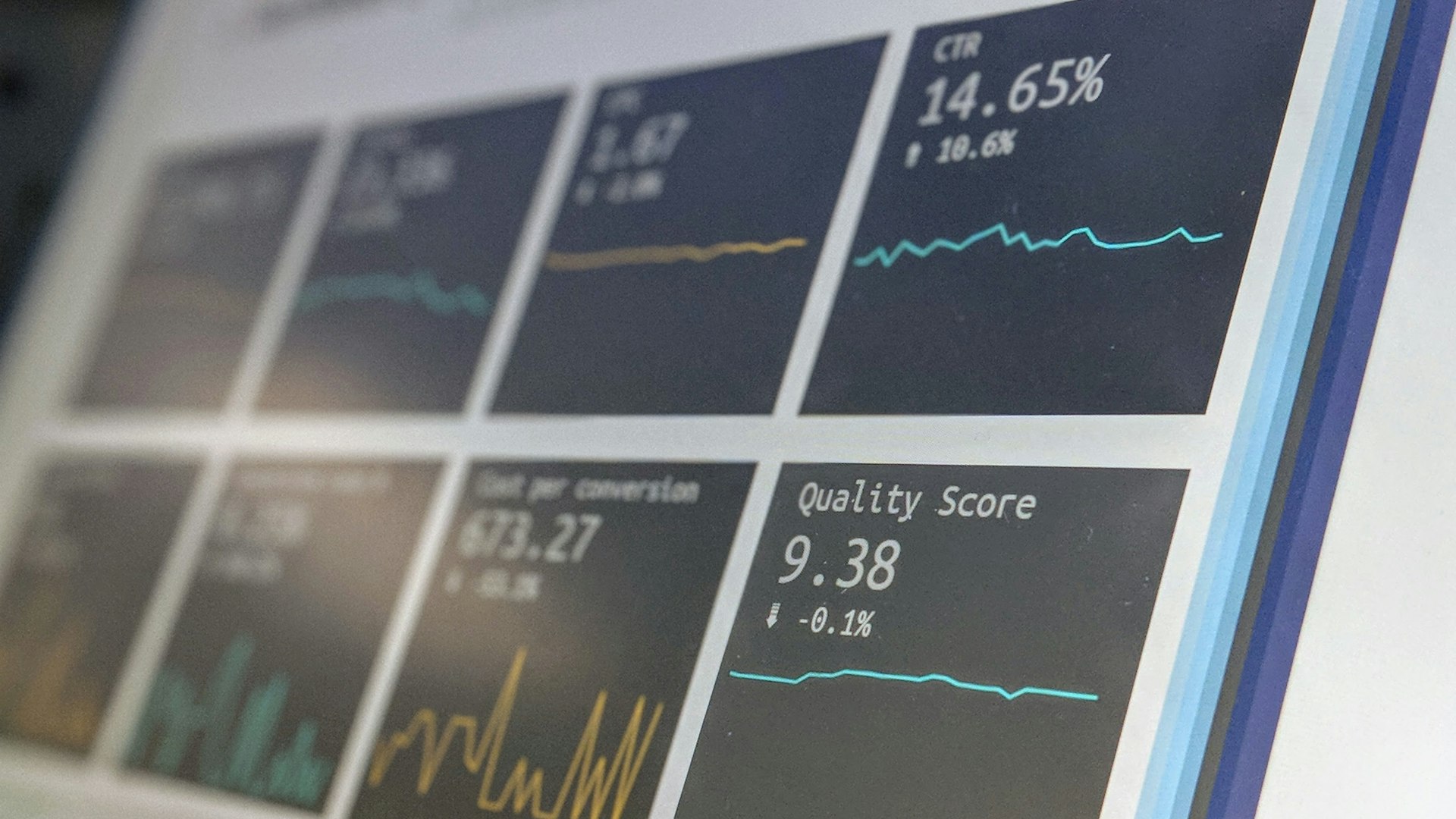
Ocean Data Systems shipped Dream Report 5 as a significant generational upgrade, with multiple subsequent maintenance releases extending the platform. The headline changes that matter for SEA deployments:
Python scripting engine
For the reports that need genuine computation — custom statistical models, machine-learning inference, complex business logic — Dream Report 5 embeds a Python engine directly in the designer. You write Python in a Studio scripting window, pass it the data sources from your existing project, and the output flows into the same tables and charts as everything else. This single feature removes the most common reason customers used to write reports outside Dream Report.
Unified data table
Earlier Dream Report versions joined data sources at report level — each table queried its own source. Dream Report 5 introduces a unified data-table abstraction: data from OPC UA, the historian, and the ERP database is harmonised into one in-memory dataset that all subsequent tables, charts, and calculations draw from. This dramatically simplifies multi-source reports — exactly the kind compliance and OEE reporting require.
Modernised Studio and web portal
Both the Dream Report Studio designer and the end-user web portal received a UI refresh — clearer navigation, modern controls, better-organised property panes. The web portal in particular is the front door for most end users (operators, supervisors, QA, plant management), and the new UI lowers training time.
Licensing changes
Ocean Data Systems modernised the licensing model alongside v5. The traditional perpetual licence (USB dongle or software file) remains available, alongside a subscription tier and an unlimited-tags option for very large plants. Tag-counting still drives the deployment size, and Ocean Data Systems publishes Demo, Temporary, and Systems Integrator Pack (SIP) options for evaluation and pre-production work — the SIP licence includes 10,000 tags and 5 web clients for project development, testing, and demonstration.
Dream Report vs Power BI vs Crystal Reports vs Excel
The honest comparison most prospects actually want:
vs Microsoft Power BI
Power BI is a great tool for office data — sales, marketing, finance — built on the Microsoft data platform. It struggles at the plant floor because (a) it doesn’t speak OPC, historians, or industrial protocols natively, (b) it doesn’t produce paginated, regulator-ready PDF documents out of the box, and (c) it has no built-in concept of audit trail, electronic signature, or 21 CFR Part 11 controls. You can bolt those things on with the Microsoft compliance stack, but you end up with a multi-tool deployment where Dream Report would have been one tool. Power BI is the right answer when your data is in SQL Server and Excel. Dream Report is the right answer when your data is in PLCs, historians, and quality systems.
vs SAP Crystal Reports
Crystal Reports has been the default paginated-reports tool since the 1990s, and many manufacturers still run it. It works — but it doesn’t speak industrial protocols natively (you have to write everything through ODBC), it has no native time-series support (so historian data comes in as raw tables you re-aggregate by hand), and SAP has reduced Crystal Reports development for years. For sites that want a long-term replacement, Dream Report is a frequently-considered option.
vs Excel + manual macros
Excel remains the most popular reporting tool in the world, and most plants have at least one production engineer who has built a 50-tab workbook with VBA macros pulling data from the historian once per shift. It works until it doesn’t — typically when the engineer leaves, when the historian changes version, or when an auditor asks for the audit trail behind the numbers. Dream Report replaces the macro-Excel-PDF chain with a managed system: same data sources, same output formats, validated and version-controlled.
vs writing custom reports in Python or .NET
For plants with in-house developers, the temptation is always to write reports as bespoke applications. They work brilliantly while the original author is still employed, and become a maintenance burden the moment that person leaves. Dream Report provides a platform any qualified engineer can pick up — rather than a codebase only one person understands.
Where Dream Report is typically deployed
Ocean Data Systems publishes the following primary industries and use cases for Dream Report — useful patterns to evaluate which scenarios match your own plant:
Life sciences & pharmaceuticals
Electronic batch records, CIP (clean-in-place) reports, pasteurization records, validation documentation, deviation logs, batch data entry, and FDA 21 CFR Part 11 / EU Annex 11 electronic signatures. This is the heaviest-regulation use case and the area where Dream Report’s compliance controls earn their place against generic reporting tools. Singapore HSA-regulated pharma manufacturers and Vietnamese DAV-regulated exporters both fit this pattern.
Food & beverage
Shift reports, OEE summaries, downtime analysis, batch records (for products with batch identity such as beverages, dairy, or sauces), CIP cycle reports, and energy-per-unit-produced metrics. The reporting style favours scheduled hourly, shift-end, and daily outputs delivered to operations management mailboxes — rather than continuous dashboards consumed in real time.
Water and wastewater treatment
Daily compliance reports submitted to environmental regulators, monthly NPDES-style discharge reports, alarm summaries, treatment-cycle records, and chemical-dosing logs. The pattern is event-driven (alarm-trigger reports) plus scheduled (statutory submissions on a calendar).
Heat treatment & process industries
Temperature profile reports, recipe-conformance summaries, equipment-cycle records, and continuous-process trend reports. Industries include metals, glass, ceramics, and any process where time-temperature curves are the compliance evidence.
Building automation
HVAC energy consumption, indoor-air-quality logs, water-usage reports, and tenant-billing outputs sourced directly from BACnet or Modbus BMS data — useful for green-building certification (LEED, BCA Green Mark in Singapore).
Alarm analysis & SCADA reporting
Top-10 alarm reports, alarm-flood analysis, alarm-acknowledgement KPIs, and operator-action timelines — the inputs for an ISA-18.2 alarm management programme. SCADA alarm historians (in Proficy HMI/SCADA, Wonderware InTouch, or iFIX) all expose data Dream Report can consume.
Energy management
ISO 50001 baseline and significant-energy-use reports, hourly and shift-energy-use trends, sub-meter analysis, and cost allocation across cost centres. For Singapore manufacturers within Energy Conservation Act scope and Vietnamese exporters needing carbon-accounting disclosures, this is a fast-growing use case.
Dream Report’s reference customers include healthcare institutions, pharmaceutical sites such as Merck Semoy, and industrial operators like LISURE — plus tens of thousands of other deployments across continuous, hybrid, and discrete processes globally.
Implementation considerations
A successful Dream Report rollout typically follows this sequence:
- Scope the data sources. List every controller, historian, database, instrument, and ERP that the reports need to read. Group them by protocol (OPC UA, SQL, native historian API, etc.) so the licensing tag count and connector mix are clear.
- Define the report inventory. Catalogue every report the plant currently produces (in Excel, on paper, in Crystal Reports, in a custom app) and decide which are in scope for the first phase. Most deployments deliver value with 10-20 reports and grow from there.
- Decide perpetual vs subscription. Tag count + named-user count + on-premise vs cloud-hosted web portal drive the licence type. Most regulated SEA deployments still favour perpetual on-premise.
- Plan the validation work. For 21 CFR Part 11 / PIC/S Annex 11 scope, an IQ/OQ/PQ validation package is required. Ocean Data Systems provides validation documentation; the QA team adapts it to local SOPs.
- Build, test, and deploy. A Systems Integrator Pack (SIP) licence covers the build phase; production licences are applied at go-live.
- Train and roll out. Web portal users need 1-2 hours of training; report authors need 1-2 days. Allied Solutions Global runs on-site training across the region.
Pricing & licensing — what to expect
Dream Report is priced by deployment size (tag count and web-portal user count) and licence type (perpetual vs subscription). Ocean Data Systems publishes Demo, Temporary, Systems Integrator Pack (SIP), and full production licence options — the SIP licence is the right choice for build and testing phases. Pricing is set by Ocean Data Systems and their regional distributors; we can provide a written quotation against your specific data sources, user count, and compliance requirements on request.
One useful design choice: Dream Report counts data sources and report users rather than CPU cores or report executions. For most deployments that translates to predictable, capacity-based costs rather than the surprise overage bills that can come with usage-metered cloud-BI subscriptions.
Why partner with Allied Solutions Global
Buying Dream Report directly from Ocean Data Systems gets you the software. What it doesn’t get you is local-language documentation, on-site installation, IQ/OQ/PQ validation packages, training tailored to your operators and engineers, integration engineering against your specific historian and SCADA estate, or 24/7 support in your time zone. That’s where a regional distributor adds value.
Allied Solutions Global has been deploying industrial software across Singapore, Malaysia, Vietnam, and Indonesia since 1998. Our engineering team works across the GE Vernova Proficy, Kepware, OPSWAT, ST Engineering, and Parsec ecosystems, alongside Dream Report — which means we can configure the right combination of tools for your plant, not just push a single product.
If you are evaluating Dream Report for a Singapore or Vietnam deployment, the next step is a 30-minute scoping call with our engineering team. We will look at your existing data sources, your reporting requirements, your compliance frameworks, and your timeline — and come back with a written proposal that covers licensing, deployment, validation, training, and support. Get in touch to start the conversation.
Further reading


